 Schedule A Complimentary Consultation
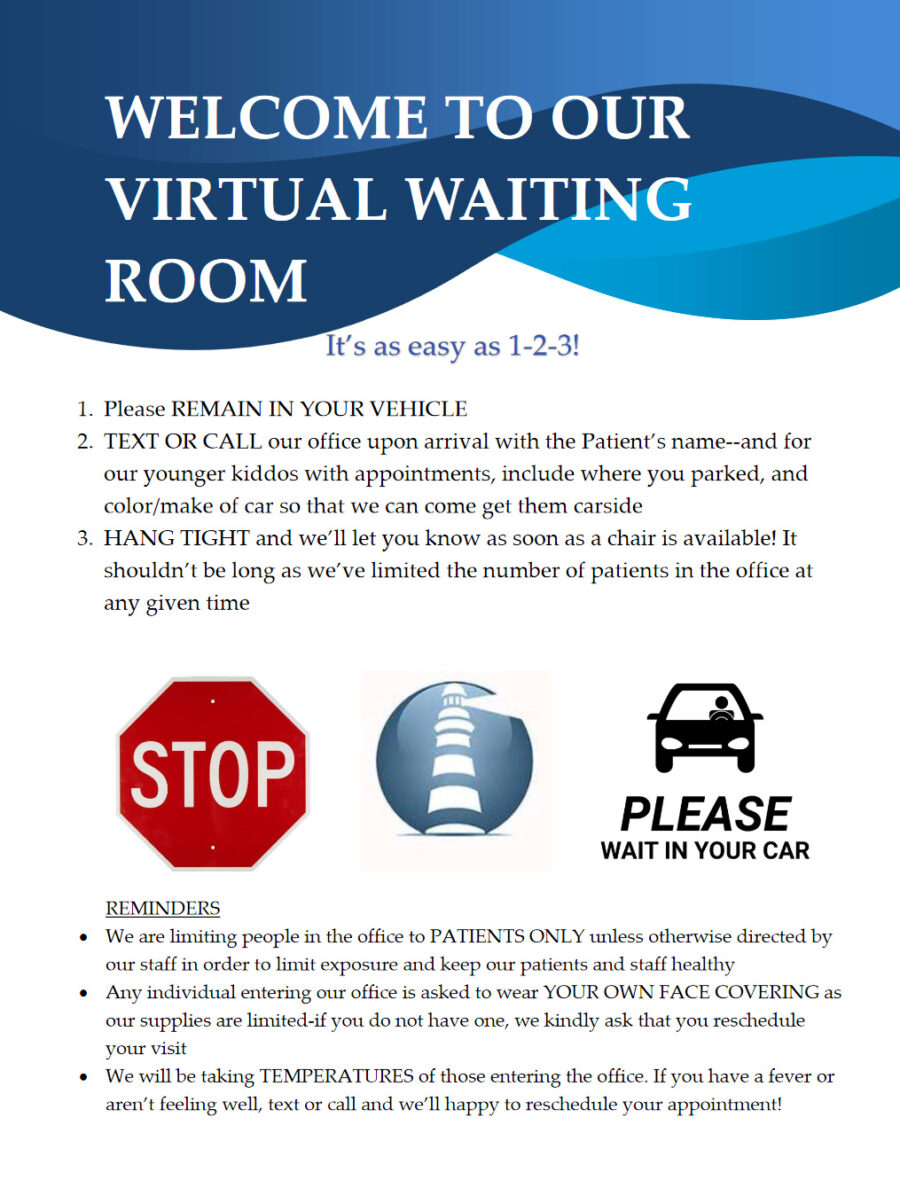
 Virtual Waiting Room






Most people think of orthodontic treatment as a way to get straighter teeth. And yes, a beautifully aligned smile is a wonderful outcome. But the deeper reason your orthodontist works to align your bite isn’t just cosmetic. A misaligned bite, called a malocclusion, can quietly create real health problems that build over months and years if left untreated.
At Winning Orthodontic Smiles, we see patients from across the Lowcountry, in Beaufort, Bluffton, Hilton Head, and Walterboro, who come in for a consult and discover that the bite issue they’d ignored for years was the root cause of headaches, worn teeth, or difficulty chewing. Understanding what a misaligned bite actually does to your body is the first step toward knowing whether treatment is right for you or your child.
What Is a Misaligned Bite?
A misaligned bite occurs when the upper and lower teeth don’t come together correctly. Orthodontists classify these as different types of malocclusion:
- Overbite: The upper front teeth overlap the lower teeth too much vertically.
- Underbite: The lower jaw protrudes so the lower teeth sit in front of the upper teeth.
- Crossbite: Some upper teeth sit inside the lower teeth instead of outside.
- Open bite: The upper and lower front teeth don’t touch at all when the mouth is closed.
- Crowding: Teeth are too close together, forcing some out of their natural position.
- Spacing: Gaps between teeth that affect how the bite comes together.
Each type creates a different set of problems, but they all share one thing in common: the bite isn’t working the way it’s designed to.
7 Common Problems Caused by a Misaligned Bite
1. Jaw Pain and TMJ Disorders
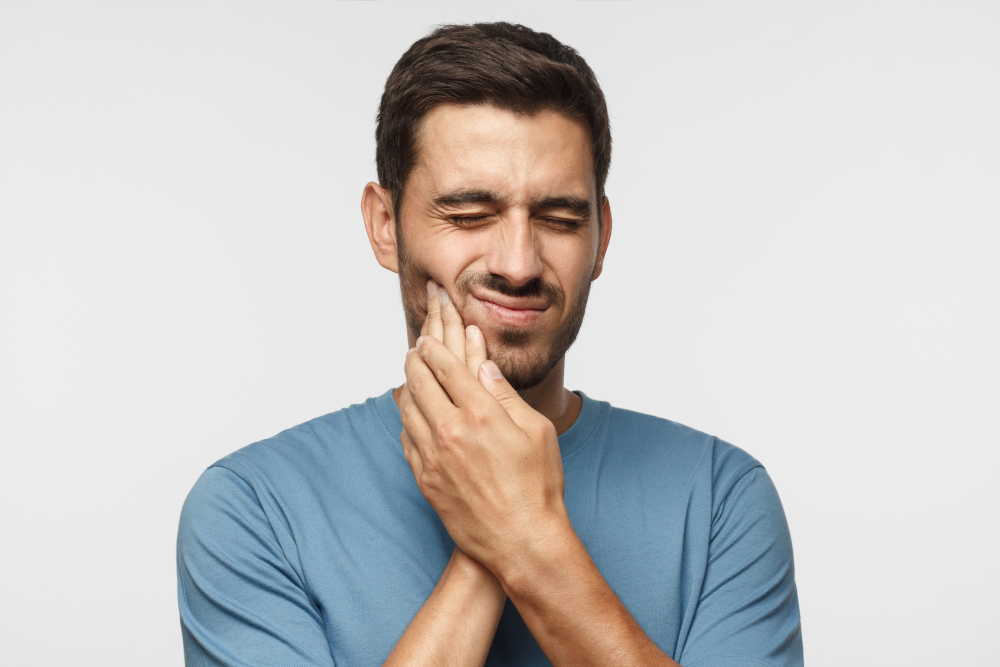
Your jaw joint, the temporomandibular joint (TMJ), is a hinge that connects your lower jaw to your skull. When your bite is off, the muscles and joints that control that hinge have to work harder and in awkward positions to bring your teeth together. Over time, this causes muscle fatigue, joint inflammation, and pain.
People with untreated bite problems frequently experience:
- Clicking or popping sounds when they open or close their jaw
- A sore or tired jaw in the morning (especially after clenching or grinding during sleep)
- Difficulty opening the mouth wide
- Pain that radiates into the ear, cheek, or neck
Research published in the Journal of Oral Rehabilitation found that malocclusion is a significant contributing factor to TMJ dysfunction in adults. Getting the bite into proper alignment reduces the strain on the jaw joint and the surrounding musculature.
2. Uneven Tooth Wear
Teeth are designed to distribute chewing forces evenly across all contact surfaces. When your bite is misaligned, certain teeth absorb more pressure than they should, while others barely make contact at all.
The result over years is uneven wear. Teeth that bear excessive load lose enamel faster. Once enamel wears away, it doesn’t grow back. Worn teeth are more sensitive, more prone to fracture, and more likely to require restorative dental work like crowns or bonding down the road.
Your orthodontist can spot early signs of uneven wear during an exam, which is one more reason that early evaluation matters.
3. Difficulty Chewing and Swallowing
A proper bite is what makes it possible to break food down efficiently before swallowing. When teeth don’t meet correctly, chewing becomes less effective. Some patients compensate by shifting how they chew, favoring one side of the mouth or avoiding certain foods altogether.
This compensation creates its own chain of problems: asymmetric muscle development on one side of the jaw, additional strain on the favored side, and sometimes digestive issues because food isn’t being broken down as thoroughly before it’s swallowed.
4. Speech Difficulties
Your teeth play a direct role in forming many sounds. The “th,” “s,” “f,” and “v” sounds all depend on how the tongue, lips, and teeth work together. A significant overbite, open bite, or spacing issue can interfere with the way these sounds form, resulting in a lisp or other speech pattern change.
In children, this can affect confidence and communication during key developmental years. Speech therapy sometimes helps, but when the underlying bite issue is corrected, speech often improves naturally.
5. Gum Disease and Tooth Decay
Crowded or crooked teeth are harder to clean. Toothbrush bristles and floss can’t reach into tight overlapping areas effectively, which means plaque and bacteria accumulate in places they can’t be removed. Over time, that buildup leads to cavities and gum inflammation.
The American Association of Orthodontists notes that properly aligned teeth are significantly easier to keep clean, which directly reduces the long-term risk of periodontal disease and decay. This is a health argument for orthodontic treatment that doesn’t get enough attention.
6. Breathing and Sleep Issues
In more pronounced cases, particularly significant overbites, underbites, and certain jaw-width problems, the position of the teeth and jaws can affect the airway. A narrow upper jaw, for example, can contribute to a narrowed nasal passage and restricted airflow, which in some children shows up as mouth breathing, snoring, or even sleep-disordered breathing.
Early orthodontic treatment with palatal expanders, for example, can create more space in the arch and improve nasal airflow in children whose jaws are still growing. This is one of the primary reasons the American Association of Orthodontists recommends that children have their first orthodontic evaluation by age 7.
7. Self-Confidence and Quality of Life
This one is harder to quantify but no less real. Studies consistently show that people who are self-conscious about their teeth are more likely to avoid smiling in photos, cover their mouths when they laugh, and report lower self-esteem in social and professional settings.
Orthodontic treatment addresses the source of that self-consciousness directly. Patients across all age groups, kids, teens, and adults, report meaningful improvements in confidence and quality of life after treatment. That’s not a small thing.
When to Seek an Evaluation
You don’t need to be in pain to benefit from an orthodontic evaluation. Many bite problems are easier and less costly to correct when they’re identified early. Here are some signs worth paying attention to:
- Your teeth don’t seem to meet evenly when you close your mouth
- You notice clicking, popping, or soreness in your jaw
- You or your child has difficulty chewing certain foods
- Your teeth feel sensitive in ways that your dentist hasn’t been able to explain
- You can see that certain teeth are wearing down faster than others
- Your child breathes through their mouth frequently or snores
The American Association of Orthodontists recommends a first orthodontic screening by age 7. At that age, your orthodontist can see how the bite is developing and determine whether early intervention would help, without necessarily starting treatment right away.
Adults don’t have a cutoff. A significant number of the patients we treat at Winning Orthodontic Smiles are adults who have lived with a bite issue for years and are pleasantly surprised by how much can be done, even after the jaw has finished growing.
Treatment Options for a Misaligned Bite
The right treatment depends on the type and severity of the bite problem, your age, and your goals. At Winning Orthodontic Smiles, our orthodontists develop a personalized treatment plan for every patient after a thorough exam. Options may include:
- Traditional braces: The most versatile option. Metal or clear ceramic brackets and wires move teeth with precision and are effective for a wide range of bite problems.
- Invisalign clear aligners: Removable, nearly invisible trays that work well for mild to moderate bite corrections in teens and adults.
- Palatal expanders: Used primarily for children to widen the upper arch and correct crossbites or create space for incoming teeth.
- Orthognathic surgery: For skeletal bite discrepancies in adults where jaw repositioning is needed, surgery may be coordinated alongside orthodontic treatment.
- Retainers: After active treatment, retainers hold the bite in its corrected position permanently.
Every patient at Winning Orthodontic Smiles receives a complimentary consultation where your orthodontist reviews your records, answers your questions, and explains exactly what treatment would look like for your specific situation.
Frequently Asked Questions About Misaligned Bites
What causes a misaligned bite? Bite problems can be inherited (genetics is the most common cause), or they can develop from habits like prolonged thumb-sucking or pacifier use in early childhood, early loss of baby teeth, or trauma to the jaw. In many cases, it’s a combination of factors.
Can a misaligned bite fix itself? No. Bite problems don’t self-correct as children grow. In fact, many worsen over time if left untreated, especially if the jaw continues to develop in a way that exaggerates the discrepancy.
At what age should my child first see an orthodontist? The American Association of Orthodontists recommends age 7 as the ideal time for a first screening. At that age, enough adult teeth have come in that your orthodontist can assess how the bite is developing. This doesn’t mean treatment will start at 7, but early detection creates more options.
Is it too late to fix a bite problem as an adult? No. Adults can achieve excellent bite correction results. The process may take a bit longer than in a growing child because the bones are no longer as malleable, but the outcome is just as real and just as lasting.
Does a misaligned bite always need to be treated? Not every bite discrepancy requires treatment. Minor variations are common and may not cause problems. Your orthodontist will evaluate whether your specific bite pattern is likely to create health issues or is simply a cosmetic consideration, and explain what monitoring versus treating would look like.
Will treating my bite help with my jaw pain? Bite correction frequently reduces TMJ-related pain, but results vary depending on the severity of the TMJ involvement. Your orthodontist will discuss realistic expectations for your specific situation during the consultation.
How long does bite correction treatment take? Treatment length depends on the severity of the problem and the treatment chosen. Most patients complete treatment in 12 to 24 months. Your orthodontist will give you a more specific estimate after reviewing your records.
Does insurance cover bite correction? Many dental and orthodontic insurance plans include coverage for bite correction, particularly when there’s a documented functional impact. Our team will review your benefits and explain your out-of-pocket costs before treatment begins.
Schedule Your Complimentary Consultation
If you’ve been wondering whether your bite, or your child’s bite, might be contributing to any of these problems, we’d love to talk with you. Our orthodontists see patients in Beaufort, Bluffton, Hilton Head, and Walterboro, SC, and every new patient consultation is complimentary.
There’s no pressure, no commitment required. Your orthodontist will take the time to review what’s happening with your bite and explain your options in plain language. Reach out to any of our four offices to get started.
Winning Orthodontic Smiles serves families throughout the South Carolina Lowcountry, with orthodontic offices in Beaufort, Bluffton, Hilton Head, and Walterboro. Our team provides braces, Invisalign, early treatment, and adult orthodontic care for kids, teens, and adults.